From the walls of Cardiff Castle, you can be under the trees in Bute Park in minutes. Follow the River Taff north and the city opens into playing fields, riverside paths and, eventually, wooded hills. Head south and the same river takes you towards Cardiff Bay, where the boardwalk at a small wetland reserve feels a world away from the waterfront cafés.
The Taff gives Cardiff’s outdoor spaces a shape you can follow. Start with a park in the city centre, spend an afternoon by the water, or head north for a woodland walk or a proper climb. Here’s how to fit them into a visit.
Start behind the castle in Bute Park
Bute Park sits between Cardiff Castle and the River Taff. Its Victorian planting still helps shape the park, and the arboretum gives you a reason to leave the riverside path and wander among the trees. You can make a short loop and be back in the centre for lunch, or keep walking towards Blackweir and turn it into a longer outing. Bute Park visitor information · Cadw’s historic park record
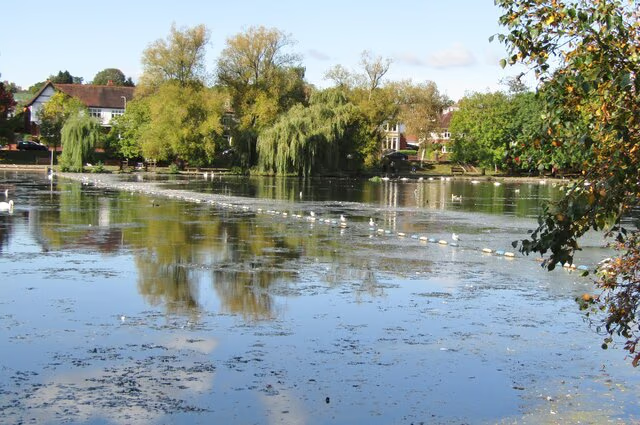
For a different side of Cardiff’s park life, head to Roath Park. The lake is the focus here. Walk around it, look for the white Scott Memorial Lighthouse out on the water and take your time through the gardens. Bute Park fits naturally into a city-centre visit, while Roath is worth an outing of its own. Roath Park visitor information
Follow the Taff to the old canal
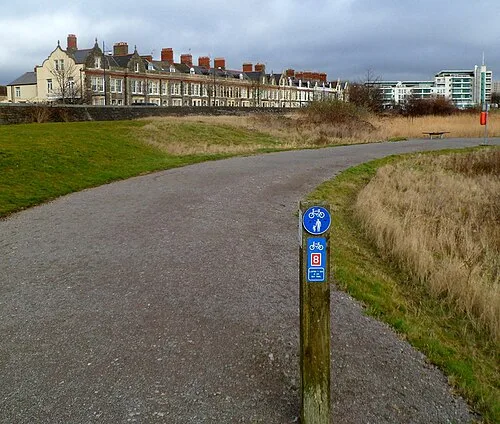
The Taff Trail links the Bay, the city centre and Tongwynlais, then continues north towards Brecon. For a short taste, start in Bute Park and follow the route towards Llandaff. The stretch through the parkland has enough variety for a walk on its own, and Llandaff Cathedral makes a worthwhile stop if you have time. Visit Wales guide to the Taff Trail
Further north, Forest Farm is one of Cardiff’s quieter outdoor stops. A surviving stretch of the Glamorganshire Canal still holds water here, and kingfishers and herons are among the birds to look for. It’s a good place to slow down. The waterway that once connected Merthyr Tydfil to Cardiff now gives you a glimpse of how wildlife has found a home in the city’s industrial landscape. Forest Farm and Melingriffith
See both sides of Cardiff Bay
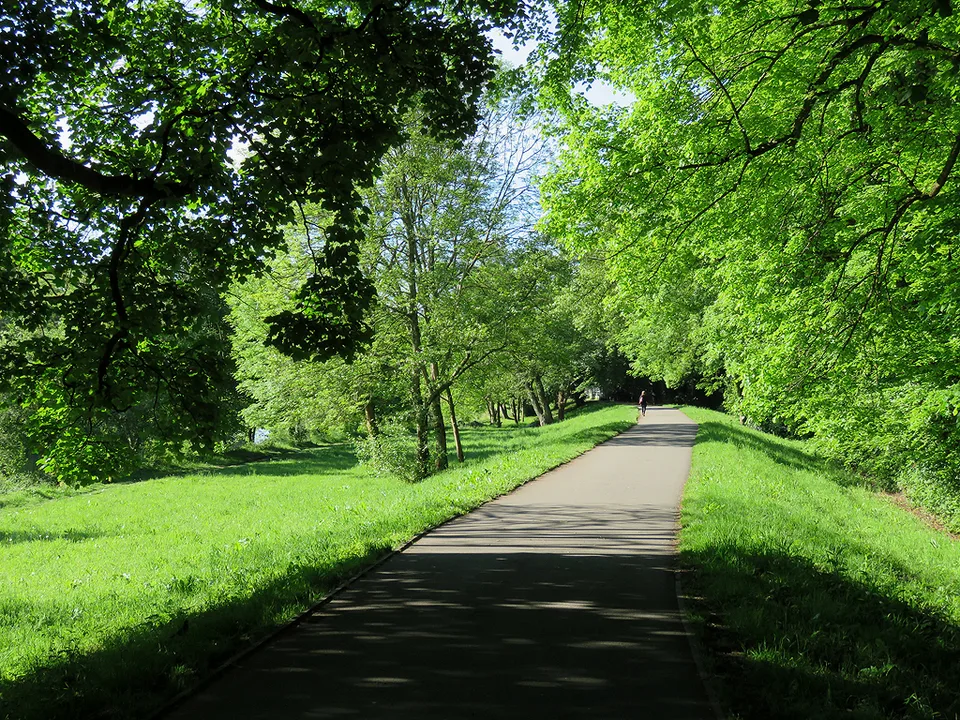
Start near the Wales Millennium Centre and follow the waterfront towards the Cardiff Bay Barrage. From the crossing, you can look back over the freshwater bay and out towards the Bristol Channel. The two views tell the story of the place. The barrage changed a tidal harbour built around coal exports into the sheltered stretch of water you see today. If you want a longer outing, the full Cardiff Bay Trail is 6.3 miles (10.2 km). For a shorter walk, cross the barrage and retrace your steps. Cardiff Bay Trail map and route
Make time for the Cardiff Bay Wetland Reserve as well. It’s on the northern shore, between St David’s Hotel and the River Taff, in the opposite direction from the barrage if you’re starting at the Millennium Centre. A gravel path leads to a boardwalk and a viewing platform over the water. Bring binoculars if you have them, or simply pause at the platform and see what’s moving along the water’s edge. The reserve was created on former salt marsh, another reminder of how much the Bay has changed. Cardiff Bay Wetland Reserve
Walk through Parc Cefn Onn and around Llanishen Reservoir
In Lisvane, Parc Cefn Onn follows a narrow wooded valley on Cardiff’s northern edge. Paths wind past a stream and among tall conifers, with rhododendrons and azaleas adding colour in spring. It’s a good place for an unhurried walk under the trees. Parc Cefn Onn visitor information · Cadw’s historic park record
For a change of scenery, pair it with Llanishen Reservoir. Start at the visitor centre and follow the circular path around the water. The embankment on the return leg gives you a view across both Llanishen and neighbouring Lisvane Reservoir. Welsh Water lists the Llanishen loop as a year-round route. The separate loop around Lisvane closes from October to March to protect overwintering birds. Check for temporary closures before setting out, and leave the dog at home for this walk as dogs are excluded from the reservoir paths. Reservoir walking routes and access information
Head north for woodland and hills
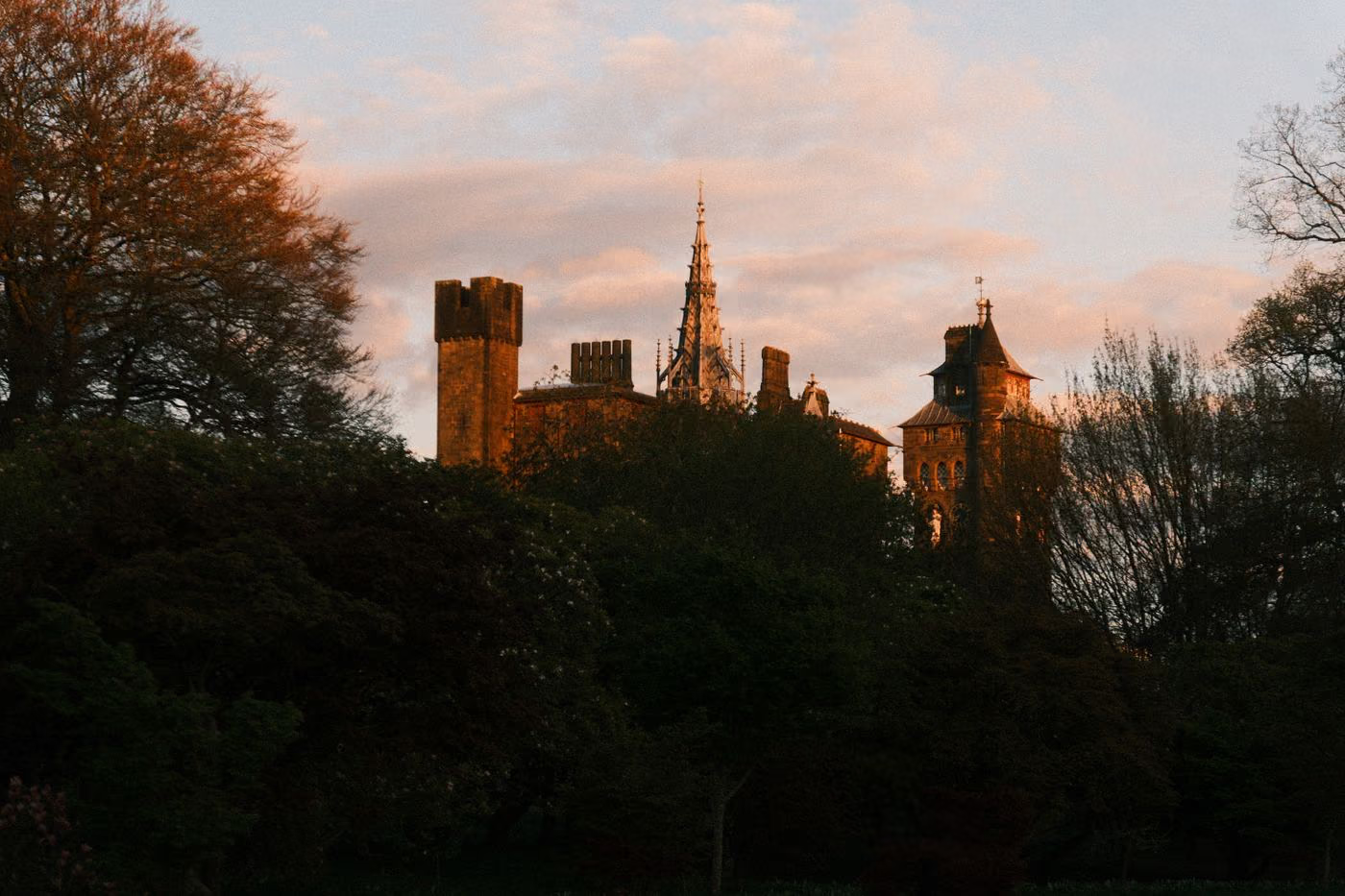
At Tongwynlais, the turrets of Castell Coch rise above the trees. The castle you see today is a Victorian rebuild on medieval ruins, commissioned by the Marquess of Bute, whose fortune came from Cardiff’s docks. That makes the castle a fitting stop after the Bay. The wealth that flowed through the harbour paid for this retreat in the woods. Castell Coch and its history
For a family walk, try the Sculpture Discovery Trail in neighbouring Fforest Fawr. It’s 1.3 miles (2 km) and starts at the Fforest Fawr car park. If you want to link the woodland and castle on foot, Sir Henry’s Trail is a 2.4-mile (3.9 km) circular route starting from either car park. In spring, look out for bluebells and wild garlic. Fforest Fawr trail details
For an open hillside and a longer view, head up the Garth. Rhondda Cynon Taf Council maps a 7 km walk from Taffs Well Park. There’s also a shorter, steep option from Gwaelod-y-Garth. Choose a clear day if you’re going for the view. Across the valley, Caerphilly Mountain offers another option for a shorter hill walk. The Garth route from Taffs Well · Visit Wales guide to the hills north of Cardiff
Make a day or a weekend of it
With one day, start at Cardiff Castle and Bute Park, then head to the Bay for the wetland boardwalk and a walk towards the barrage. With a second day, follow the Taff north to Forest Farm and Tongwynlais, or make the Garth the main outing if you fancy a climb. For a gentler second day, pair Parc Cefn Onn with the Llanishen Reservoir loop.
If you’d rather finish by the water, Cosmeston Lakes Country Park, near Penarth in the Vale of Glamorgan, is a good add-on. Its lakes, wetlands and woodland offer another gentle walk, and the quieter west lake is a spot to watch for herons. Cosmeston Lakes Country Park · Wildlife at Cosmeston Lakes