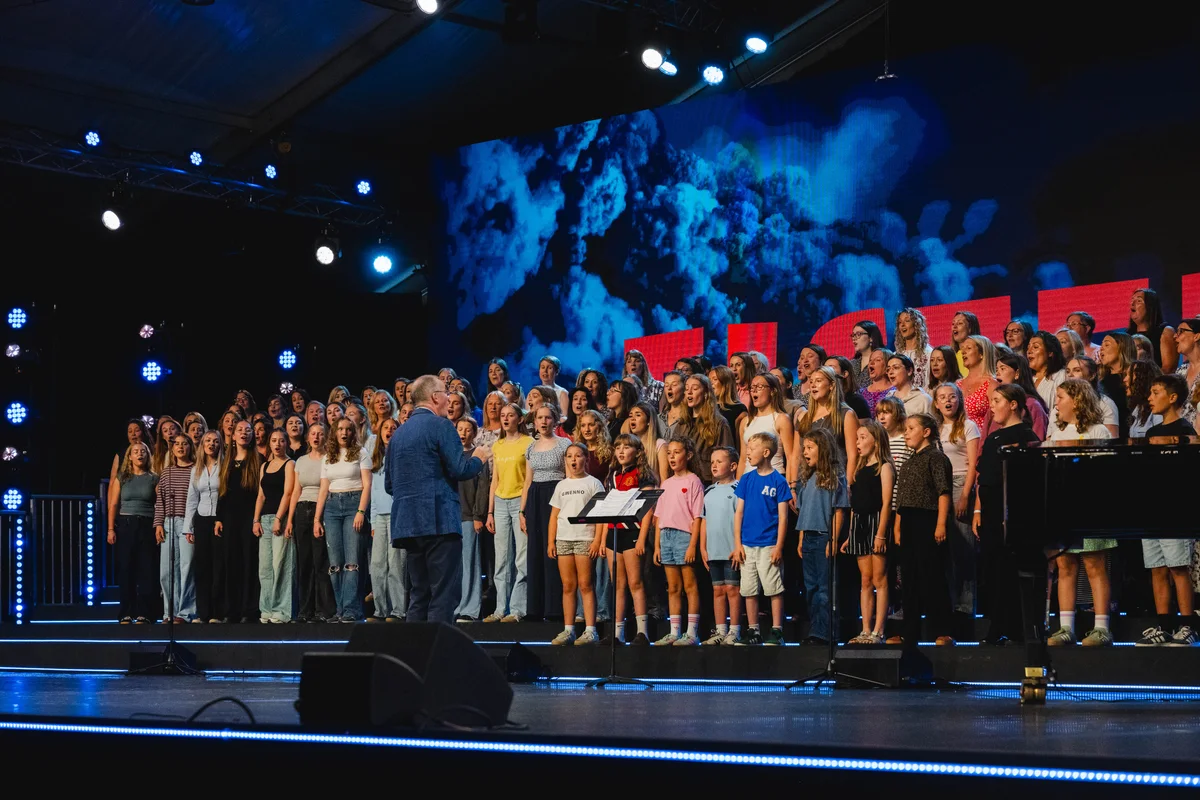
A country with more than one musical voice
Welsh music is not one sound. A folk singer working in Cymraeg, a male voice choir, an opera performer and a contemporary band can all belong to the same cultural story. For a visitor, the most rewarding starting point is curiosity: listen to something familiar, then follow it towards a voice, an instrument or a language you have not heard before.
The National Library of Wales’s music collections bring together song manuscripts, harp music, performers’ papers and recordings. They show a tradition shaped by both preservation and reinvention. Music has passed between homes, chapels, concert halls and festivals; collecting a tune has often been the beginning of a new performance rather than the end of its story.
The harp has an important place in this landscape. Cerdd dant, often called penillion singing, brings poetry and music together in a distinctive Welsh practice. To explore it, begin with the Library’s traditional music resources rather than expecting every harp performance to follow the same form.
Eisteddfodau: competition, creativity and community
An eisteddfod is a gathering centred on the arts, with competition an important part of its identity. The plural is eisteddfodau. Music shares the programme with poetry and other forms of performance and creativity, so it is worth looking beyond a headline concert. A smaller competition can offer a closer view of the preparation, language and community behind the occasion.
Three major festivals have different purposes. The National Eisteddfod celebrates Welsh-language culture; the Urdd Eisteddfod centres children and young people; Llangollen’s International Musical Eisteddfod brings performers and traditions from different countries together. They are separate events, with their own locations, programmes and admission arrangements.
Archive scenes from the National Eisteddfod
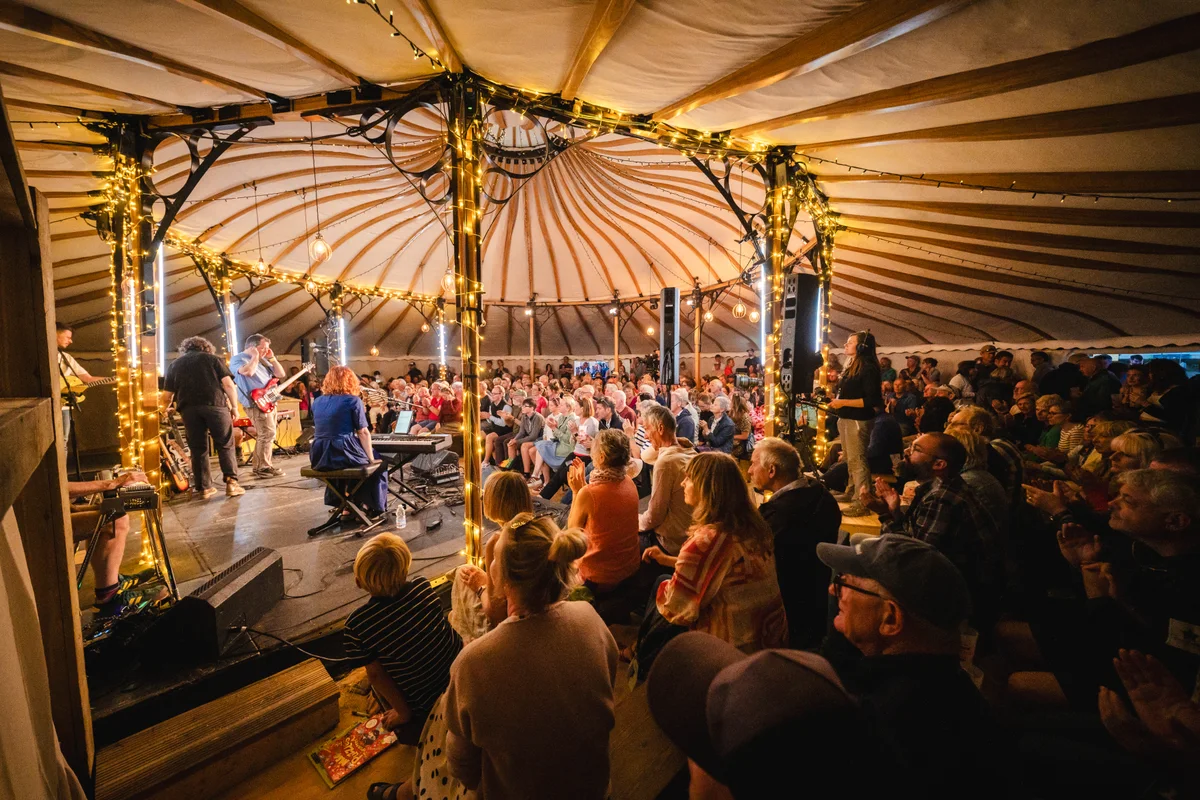
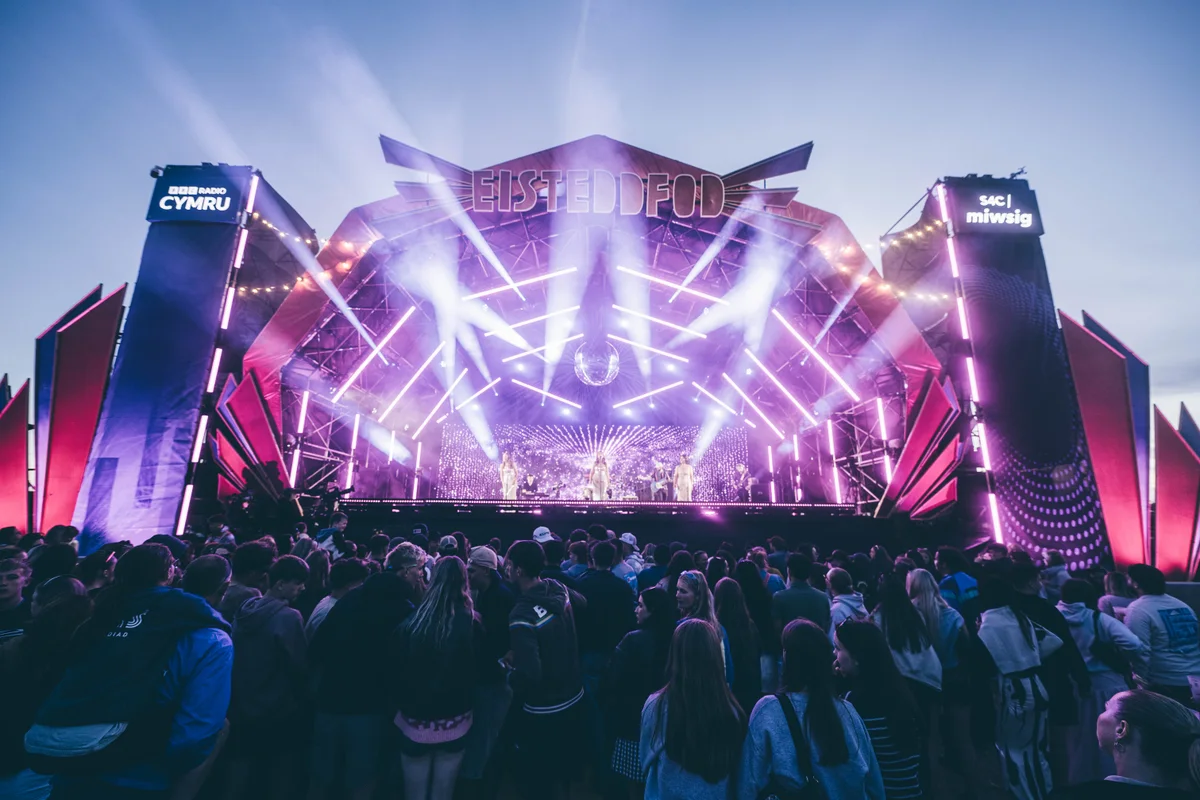
National Eisteddfod of Wales
Begin with the official programme for Welsh-language music, literature and performance. First-time visitor information helps explain the festival site and how to explore it.
Eisteddfod yr Urdd
A youth festival where young people compete, perform and create in Welsh. Its wider festival programme makes it more than a competition for those taking part.
Llangollen International Musical Eisteddfod
Established in 1947, Llangollen’s international festival connects music and dance with cultural exchange. Use its own site for the competition and concert programme.
Hearing a Welsh male voice choir
The Welsh male voice choir tradition is rooted in communities as much as concert platforms. Local rehearsals, competition and collective music-making connect it with the social history of towns and villages. Today, choirs perform a varied repertoire; a concert need not consist only of hymns or Welsh-language songs.
The Welsh Association of Male Choirs provides a useful directory of member choirs. Choose a choir near your planned base, then consult its own programme. A rehearsal is not automatically a public performance: use the choir’s published visitor information if you would like to attend.
Treorchy Male Choir
Explore a Rhondda choir whose story includes eisteddfod competition, recordings and a repertoire extending beyond traditional choral pieces.
Morriston Orpheus
Discover a Swansea-based male voice choir and follow its official site for performances, participation and visiting information.
Welsh folk song: start by listening
Folk song rewards a little time with the words as well as the melody. Songs can carry affection, humour, work, faith and a strong sense of place. There is no single definitive performance of a traditional song: singers may use different versions, arrangements and regional approaches.
Trac Cymru offers a practical route into Welsh folk singing, with resources introducing songs, seasonal customs and performers. Its collection includes material on plygain, the Christmas carol-singing tradition, and other forms that sit beyond the familiar concert programme. The National Library’s digitised collections offer another route, tracing how tunes and words were collected and printed.
Listen through the linked organisations and authorised artist channels. If one song catches your attention, follow the performer, look for another interpretation and let that become the start of a Welsh listening list.
Six well-known Welsh voices
These singers offer different routes into Welsh music, from popular song and folk-influenced performance to opera and classical crossover. The selection is a starting point, not a ranking. The photographs are dated archival or performance images; follow the linked biographies and artist sites for their work.
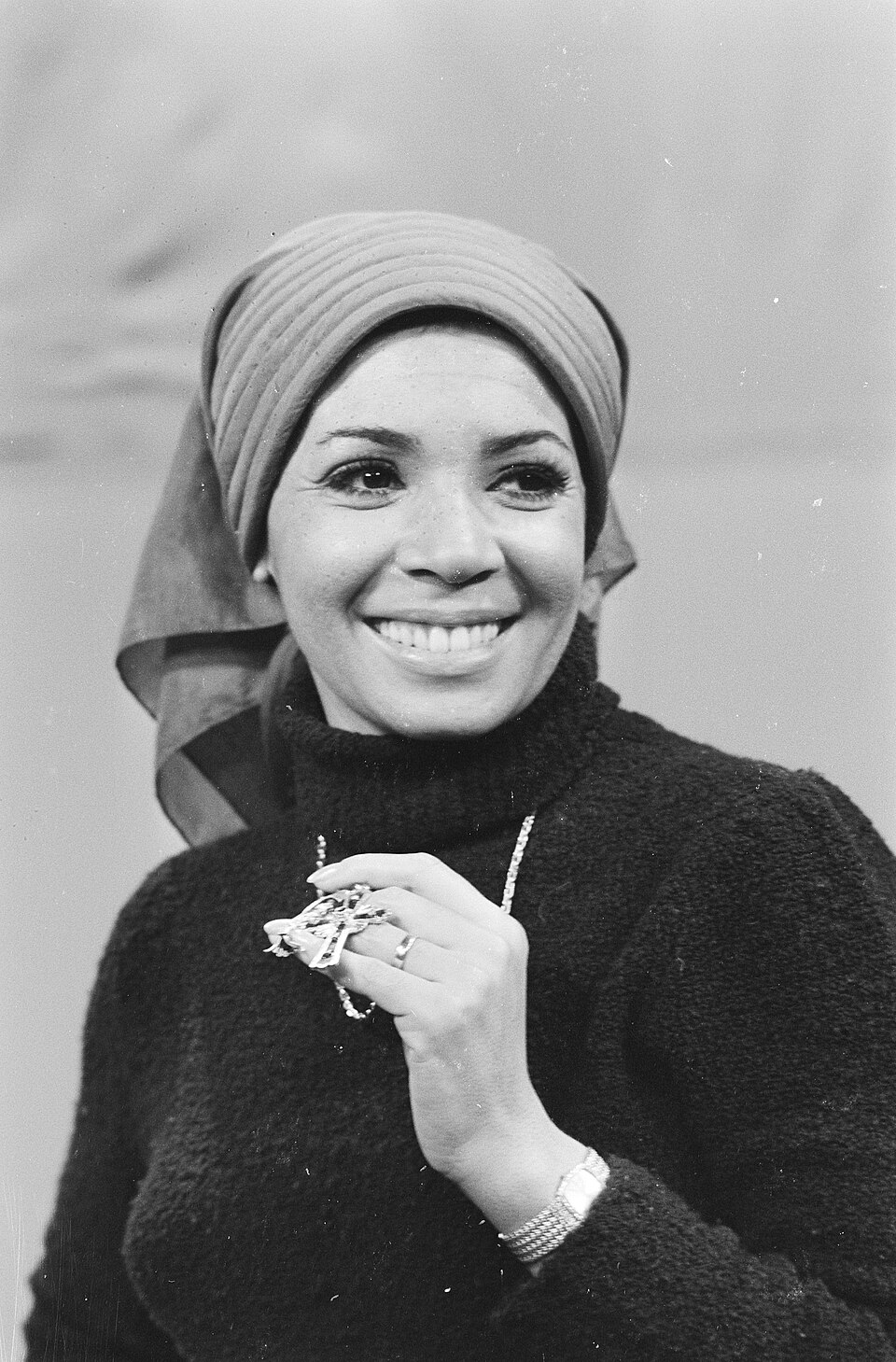 Shirley Bassey photographed during television recordings in 1971
i
Photo by Rob Mieremet / Anefo · CC0
Unmodified Wikimedia thumbnail; displayed with a responsive crop.
Shirley Bassey
Born in Cardiff’s Tiger Bay, Shirley Bassey became known internationally for her powerful popular-song performances. Her story connects a Welsh port community with a career on major stages and recordings around the world.
Read the National Portrait Gallery biography →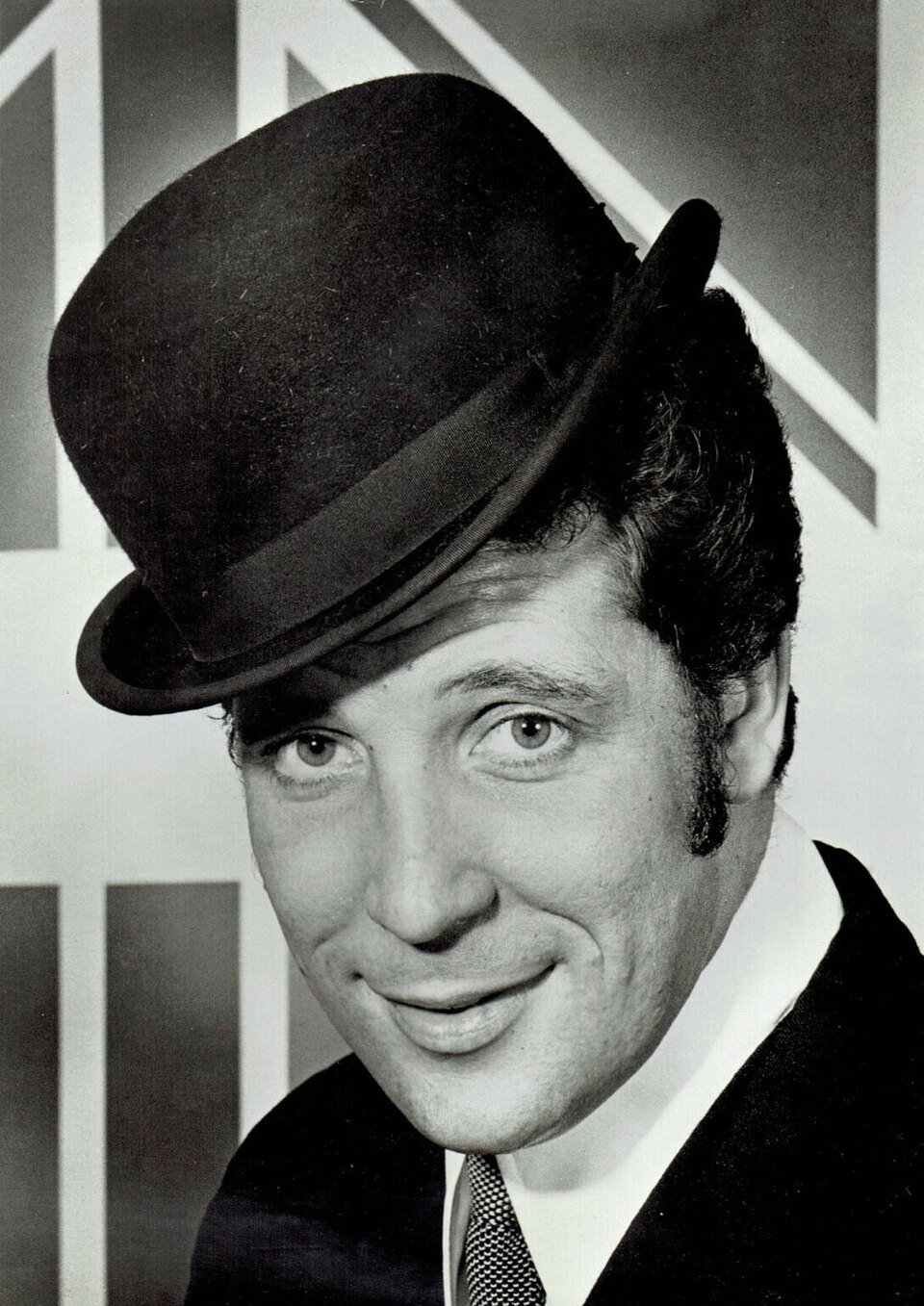 Tom Jones in a 1969 television publicity photograph
i
Photo by ABC Television · Public domain
Unmodified Wikimedia thumbnail; displayed with a responsive crop.
Tom Jones
Tom Jones’s musical roots connect with Pontypridd and South Wales. His recordings range across popular song, rhythm and blues and other styles, offering a route into a Welsh voice with a long international career.
Read Tom Jones’s official biography →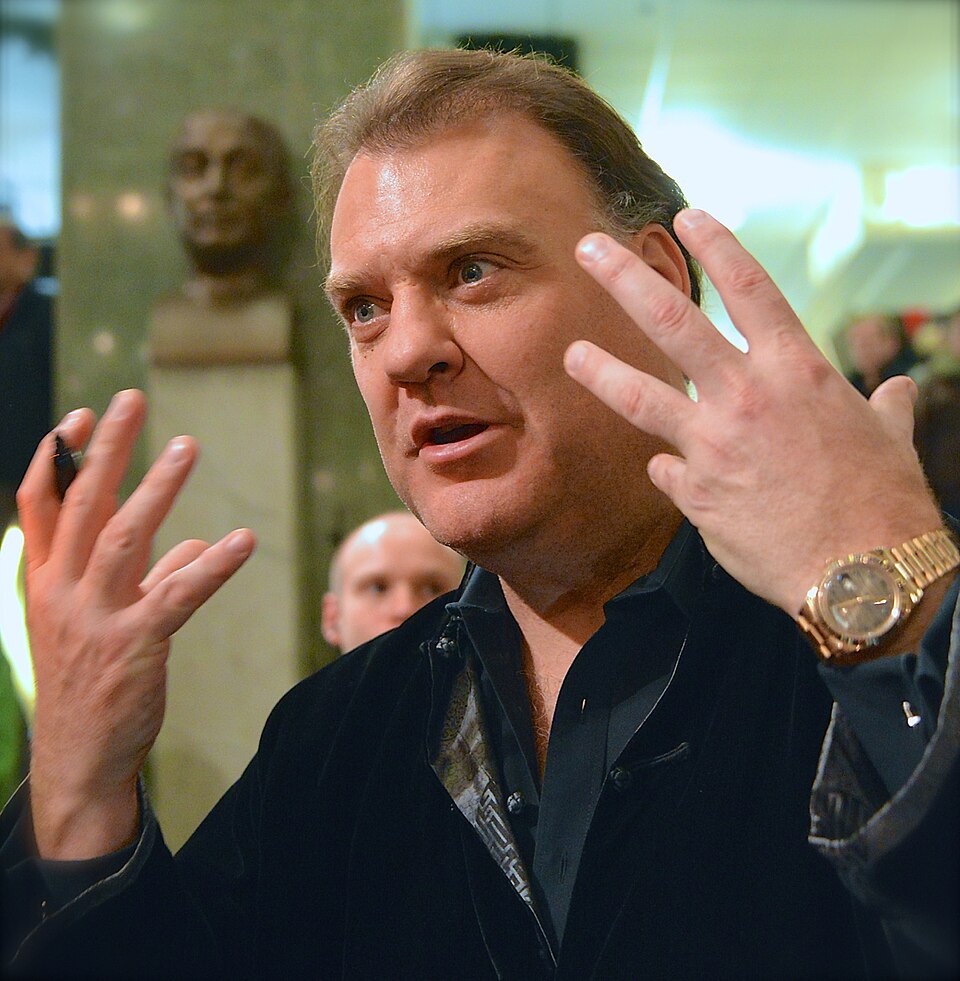 Bryn Terfel in Stockholm in 2013
i
Photo by Frankie Fouganthin · CC BY-SA 4.0
Unmodified Wikimedia thumbnail; displayed with a responsive crop.
Bryn Terfel
The North Wales bass-baritone is a route into opera, song and concert performance. His work also connects with Welsh-language music, showing how an international classical career can remain in conversation with its cultural roots.
Explore Bryn Terfel’s recordings and biography → Cerys Matthews performing at Glastonbury in 2008
i
Photo by Adam Smith / ukexpat · CC BY 3.0
Original photograph by Adam Smith (Gingerblokey); source crop by ukexpat. Unmodified Wikimedia thumbnail; displayed with a responsive crop.
Cerys Matthews
A founding member of Catatonia, Cerys Matthews is also a singer, songwriter, author and broadcaster. Her work offers a different entry point, linking popular music with a wide curiosity about song and storytelling.
Read Cerys Matthews’s biography at Ballet Cymru → Katherine Jenkins at SXSW London in 2026
i
Photo by DavidPMaynard · CC BY-SA 4.0
Unmodified Wikimedia thumbnail; displayed with a responsive crop.
Katherine Jenkins
Neath-born mezzo-soprano Katherine Jenkins is associated with classical crossover, bringing together repertoire that includes hymns, popular songs and musical theatre. Her official biography traces the role of choral singing in her early musical life.
Read Katherine Jenkins’s official biography →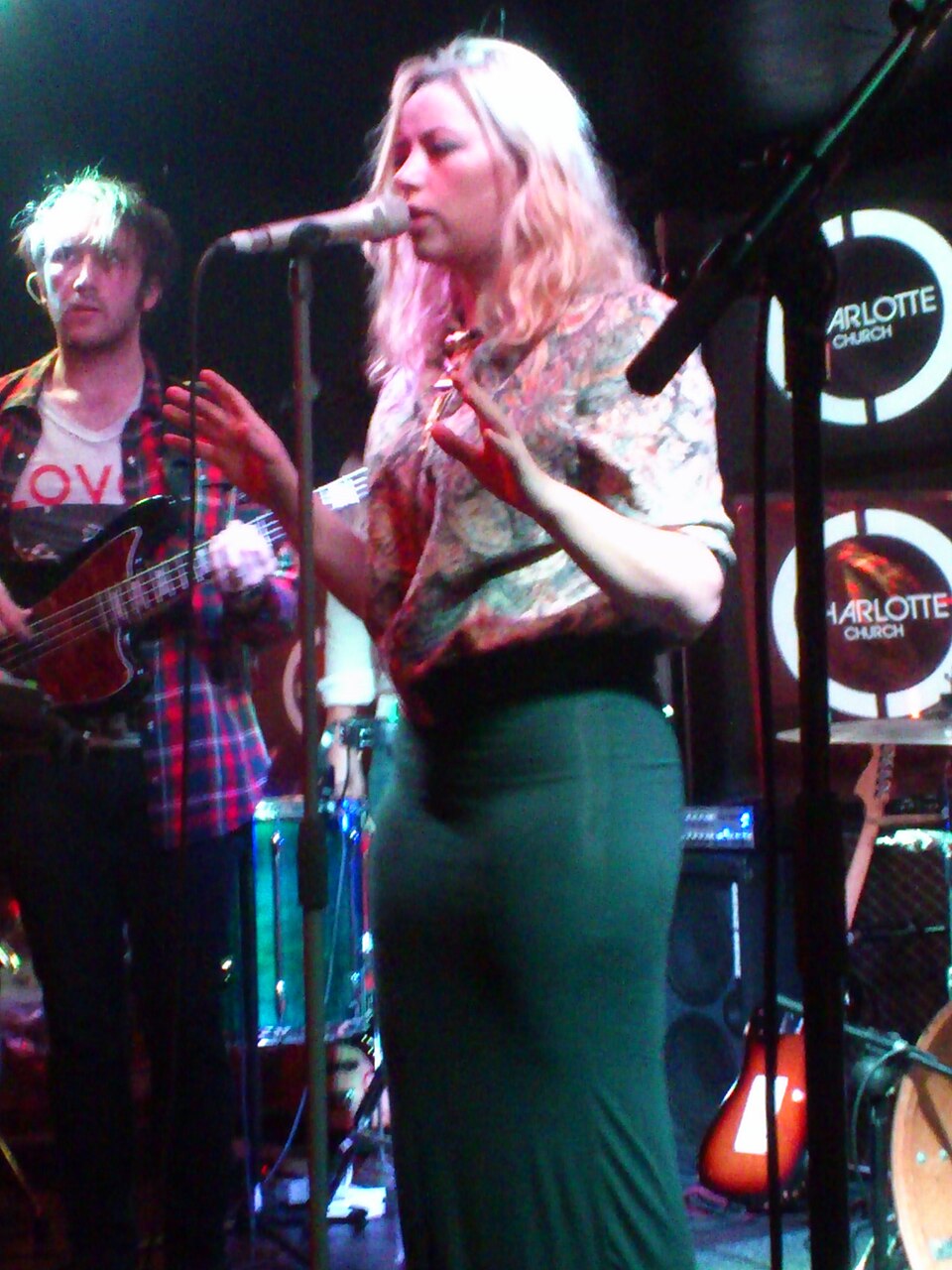 Charlotte Church photographed in 2012
i
Photo by BrotherDarksoul · CC BY-SA 3.0
Unmodified Wikimedia thumbnail; displayed with a responsive crop.
Charlotte Church
Charlotte Church’s recording career began with classical repertoire and later moved into pop and other musical directions. Following those changes offers another way to explore a Welsh singer’s work beyond one familiar recording.
Explore Charlotte Church’s music and biography →Build an evening around the music
A performance can shape a Welsh break as naturally as a walk or a beach. Choose the concert first, then allow time for the town around it. A nearby meal and an overnight stay can make more sense than a long return journey after the final song.
For contemporary gigs, theatre and mixed arts programmes, continue to our guide to Welsh performance venues. Check the actual event listing for the language, running time and access arrangements; a venue’s general programme does not establish what is happening on your chosen night.